
Fly fishing in Poland is structured around a calendar shaped by both fish biology and state regulation. The Polski Związek Wędkarski (PZW), which manages most inland fisheries, sets open and closed seasons for individual species. These are defined at the national level but can be modified by individual water districts (okręgi PZW), so the relevant local permit and district regulations should always be confirmed before fishing.
Beyond regulation, seasonal conditions — water temperature, flow volume, and insect emergence patterns — determine when fish feed actively and which techniques produce results. Understanding the rhythm of the season makes it easier to set realistic expectations for each outing.
Regulated Open Seasons: Key Reference Points
Seasons vary by district and are subject to annual revision. The information below reflects generally observed patterns. Always confirm current seasons with the relevant PZW district or local fishery before fishing.
| Species | Typical Open Season | Notes |
|---|---|---|
| Brown trout (Salmo trutta) | First Saturday of March – 31 October | C&R only periods apply in some districts |
| Grayling (Thymallus thymallus) | 1 May – 31 October (varies) | Often catch-and-release only on designated waters |
| Rainbow trout (O. mykiss) | Year-round on stocked waters | Applies mainly to stocked ponds and put-and-take fisheries |
| Huchen (Hucho hucho) | 1 January – 31 August (strictly limited) | Strictly protected; very limited catch quotas |
Spring: March to May
Spring is defined by snowmelt and rising temperatures. In mountain rivers — the Dunajec, San, Raba, Wisłoka — March and early April often bring high, turbid water as snowpack melts from the Carpathians. This limits visibility and makes dry-fly fishing difficult. Heavier nymphs fished deep are generally more effective in cold, high water.
Early Spring (March–April)
Water temperatures in mountain streams can remain close to 4–7°C through much of March. Trout metabolism is slow and feeding windows are shorter. The first significant hatch to look for is Large Dark Olive (Baetis rhodani), which emerges on milder afternoons. When this hatch occurs, trout begin rising and dry-fly fishing becomes viable. Early caddisfly activity (Brachycentrus, Rhyacophila) also begins in late March on suitable rivers.
Late Spring (April–May)
Conditions improve significantly by late April. Water temperatures rise toward the 10–14°C range, flow volumes begin to stabilise, and insect emergence diversifies. The Grannom caddis hatch — recognisable by egg-sac-carrying females skating across the surface — can produce substantial surface feeding. Grayling, where in season, feed actively during this period.
May is widely considered one of the most productive months on Polish trout streams. The Mayfly (Ephemera danica) begins emerging on slower, richer sections of rivers. Dry-fly fishing can be highly productive on calm, warm afternoons.
Summer: June to August
Summer brings the most variable conditions of the year. Long days, warm temperatures, and reduced rainfall in July and August can push water temperatures in lowland rivers above the comfort range for trout. Mountain streams, fed by springs and the shading effect of valley walls, generally remain cooler.
Early Summer (June)
June is often productive. Water temperatures are still in the preferred range for most species, insect hatches are frequent, and fish are active through much of the day. Evening hatches of sedges (caddisflies) produce surface feeding that can last well past sunset. Fishing the last two hours of daylight is a reliable strategy in June.
Mid-Summer (July–August)
In low-gradient rivers and lowland sections, afternoon water temperatures can exceed 20°C. During these warm periods, trout tend to be inactive in the middle of the day. Early morning — from first light to about 9 AM — and evening sessions from around 6 PM onward are more productive. Terrestrial flies (beetles, ants, grasshoppers) falling onto the water can trigger feeding in summer when aquatic hatches are limited.
Mountain streams in the Tatra foothills and Bieszczady range maintain cooler temperatures and can fish well throughout the day even in summer. The Czarny Dunajec, Białka, and upper San offer accessible wild trout fishing in relatively cool conditions during summer.
Summer Nymphing
When surface activity is low, sub-surface nymphing accounts for the majority of fish. European nymphing techniques — developed partly from Czech and Polish competition fishing traditions — involve fishing a heavily weighted nymph on a short, direct leader with a tight-line connection. This method, refined through international fly fishing competitions including FIPS-Mouche World Championships, has become widely used on Polish rivers.
Autumn: September to October
Autumn is one of the most atmospheric times to fish Polish rivers. Temperatures cool, leaf colour changes, and hatches continue through September. October brings the end of the trout season on most regulated waters (31 October), making it a final opportunity before the closure.
September
September often sees a resurgence of feeding activity as water temperatures drop back into the 12–16°C range. Sedge hatches continue into September. Blue-winged olive (Baetis) hatches can be significant on suitable rivers. Trout begin feeding more heavily in preparation for the winter and the spawning period that follows season closure.
October
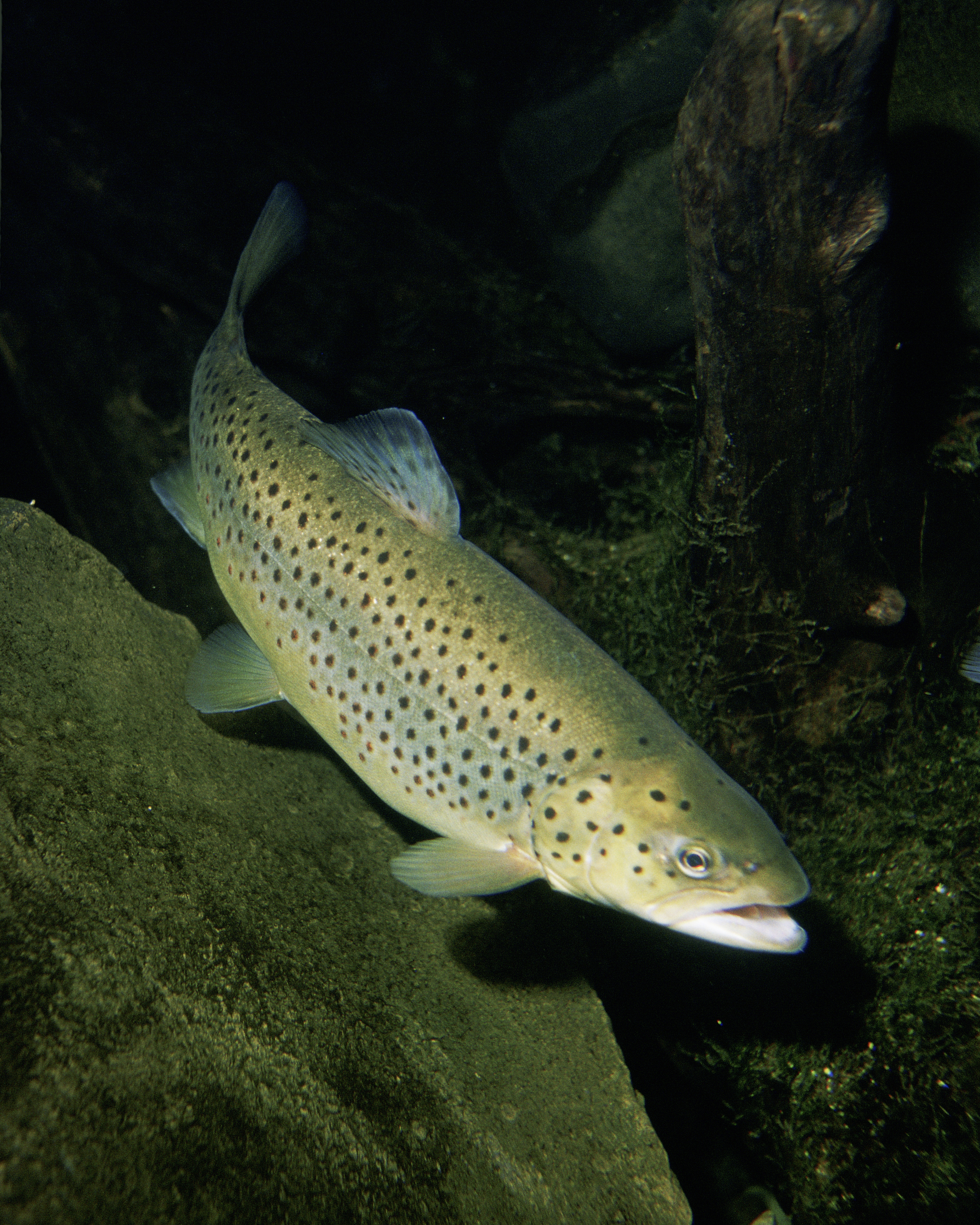
Brown trout begin moving toward spawning areas in late October — the actual spawning occurs after the season closes, typically in November and December. Fish in October can be found in shallower, gravel-bottomed sections that will serve as redds (spawning grounds). Some districts apply additional restrictions in October to protect pre-spawning fish.
Grayling (lipień) — Thymallus thymallus — are an underrated quarry in Polish rivers. The San, Wisłoka, and Dunajec hold grayling populations that provide excellent sport on dry flies and nymphs through the autumn. Grayling spawn in spring (March–April), so their season often begins later (May) than trout to protect spawning fish.
Winter: November to February
The brown trout season is closed from 1 November through late February/early March on most Polish waters. This period coincides with spawning and the most vulnerable phase of the trout's life cycle. Removing fishing pressure during this period is fundamental to maintaining wild fish populations.
Winter fishing is possible on stocked put-and-take waters and on some designated grayling fisheries where grayling season extends into winter months. However, cold water temperatures significantly reduce fish activity and the practical appeal of winter fishing is limited for most anglers.
Using the Off-Season
The closed season is a useful period for equipment maintenance, studying entomology, reviewing local river maps and PZW permit district boundaries, and preparing permits for the coming season. PZW okręg websites list available fisheries, permit prices, and current seasonal regulations.

Key Rivers by Season
| River | Region | Best Season | Primary Species |
|---|---|---|---|
| Dunajec | Carpathians (Lesser Poland) | May–June, September | Brown trout, grayling |
| San | Subcarpathia | May–June, September–October | Brown trout, grayling, huchen |
| Wisłoka | Carpathian foothills | May–June, September | Brown trout, grayling |
| Raba | Lesser Poland | April–June | Brown trout |
| Białka | Tatra foothills | June–August (cool) | Brown trout |
Licensing and Permits
To fish legally in Poland, an angler needs a state fishing licence (karta wędkarska) and a local water permit (zezwolenie) for the specific fishery. The karta wędkarska is issued by district starostas (powiat administrations) and is a one-time document. Annual water permits are purchased from the relevant PZW district or private fishery owner. Inspections by fishery wardens (społeczna straż rybacka) do occur on popular rivers.
External References
- PZW — Polski Związek Wędkarski — regulated seasons, district contacts, permit information
- Fly Fishing Poland — practical guides, river reports, local conditions
- FIPS-Mouche — international fly fishing federation, competition rules and standards